

Plumbing system explained: Did you know your home’s plumbing is more complex than just faucets and toilets? If you’re a homeowner in Southern California—be it Los Angeles, Orange County, or Long Beach—understanding how home plumbing works can help you spot issues early and protect your property. In this blog, we’ll unveil surprising parts of your home connected to the plumbing system, display a visual-friendly breakdown akin to a home plumbing diagram, and share expert tips for maintaining a healthy system. Read on to discover what’s secretly working behind your walls!
What Is a Home Plumbing System? (Plumbing System Explained)
The plumbing system explained simply: it’s a network of pipes, fixtures, valves, and appliances that supply clean water and remove waste. Most homes in Southern California have similar layouts, but every property has nuances tied to local weather, water pressure, and soil conditions.
Key components include:
- Water supply lines (bring fresh water to faucets and appliances)
- Drain-waste-vent (DWV) system (removes used water and sewage safely)
- Fixtures and appliances (toilets, sinks, showers, dishwashers, water heaters)
- Valves and shut-offs (control flow and isolate sections for repair)
But there’s much more connected to these basics than you may realize!
Surprising Places Plumbing Runs in Your Home
Most people picture pipes beneath sinks or behind walls. But your plumbing also connects to:
- Refrigerators: Icemakers and water dispensers depend on a dedicated water line—often a hidden source of leaks.
- Laundry rooms: Washers, utility sinks, and floor drains tie into both water supply and DWV systems.
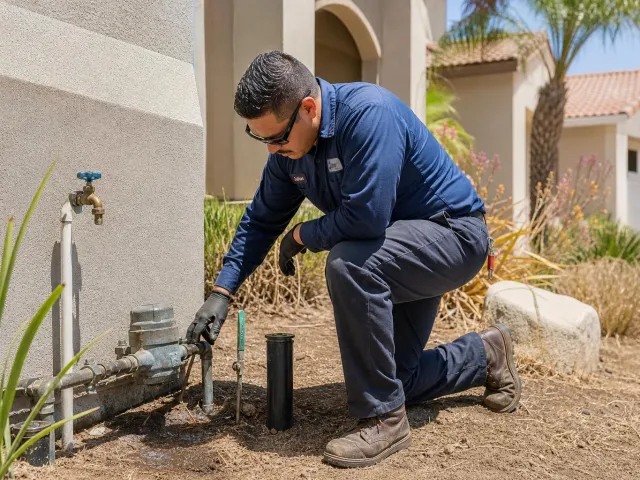
- Outdoor faucets and sprinklers: These have separate shut-offs and may run along exterior walls, exposed to temperature changes in regions like Riverside or Garden Grove.
- Garbage disposals: These grind food waste but connect to both water supply and drain pipes.
- Water filtration systems: Southern California’s hard water often requires a whole-home filter or softener, which are plumbed into main supply lines.
- Basements and crawl spaces: In homes found in Long Beach or Torrance, subfloor plumbing can be out of sight but vulnerable to unnoticed leaks.
- Smart home plumbing controls: Leak detectors, smart shut-off valves, even Wi-Fi connected sump pumps are increasingly common.
How Home Plumbing Works: A Room-by-Room Breakdown
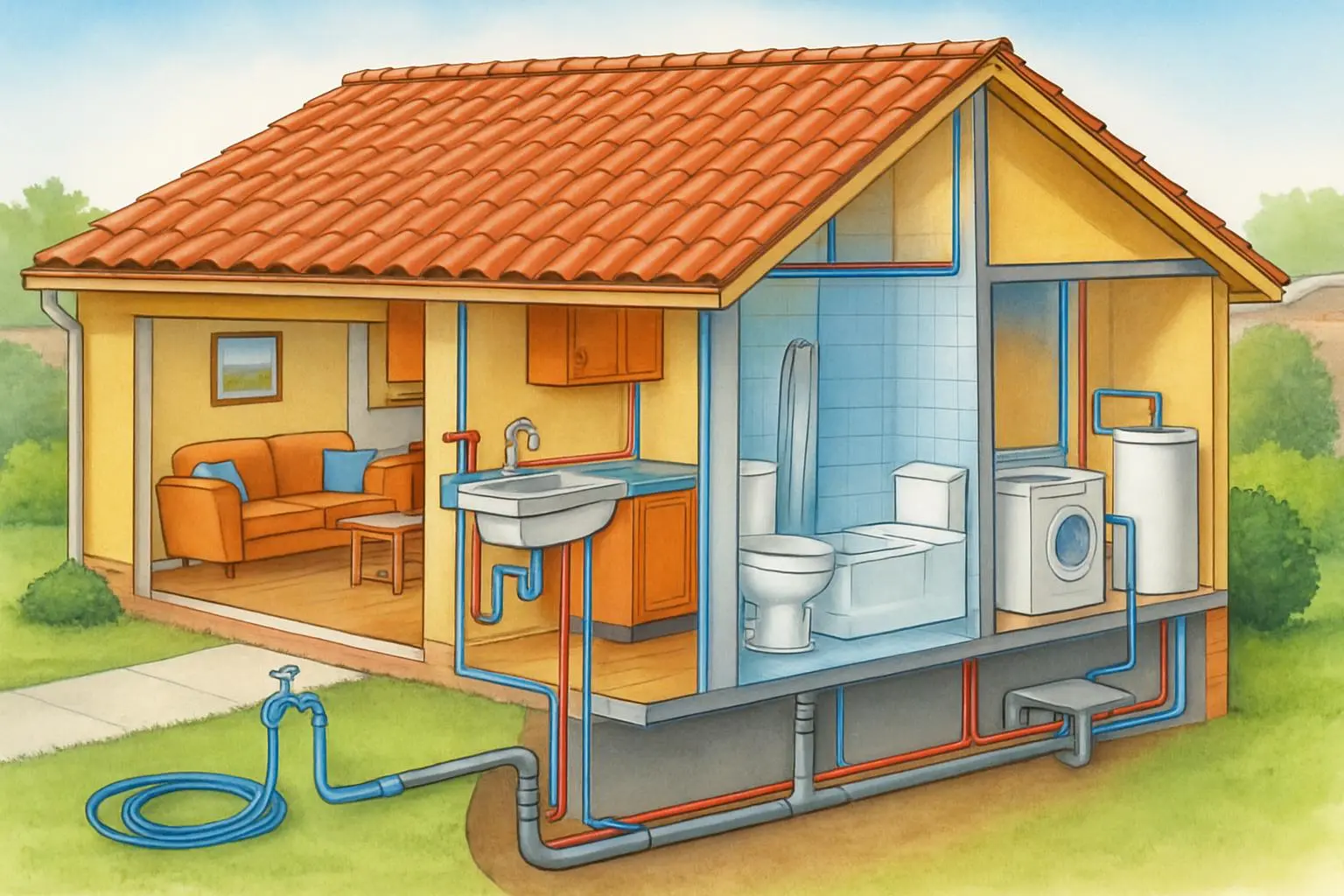
If you look at a standard home plumbing diagram, you’ll see branching paths resembles a tree network:
- Main Water Line: Brings municipal water into your home from the street.
- Branch Lines: Direct water to bathrooms, kitchens, and utility areas.
- Fixture Hookups: Each faucet or appliance has individual shut-off valves.
- Drain Lines: Wastewater flows down via gravity to the city sewer or septic system.
- Vents: Pipes running vertically allow sewer gases out and airflow in, preventing gurgling/slow drains.
Don’t forget about rarely considered connections! For example, landscape irrigation systems—common in Orange County—often tie directly to your main supply but have built-in backflow preventers for safety.
Signs Your Plumbing System Is All Connected (And Needs Attention)
Why does any of this matter? Small, hidden issues can quickly escalate across your entire plumbing network. Here’s what to watch for in Southern California homes:
- Unexplained low water pressure: Could indicate a hidden leak or partial blockage in a main line.
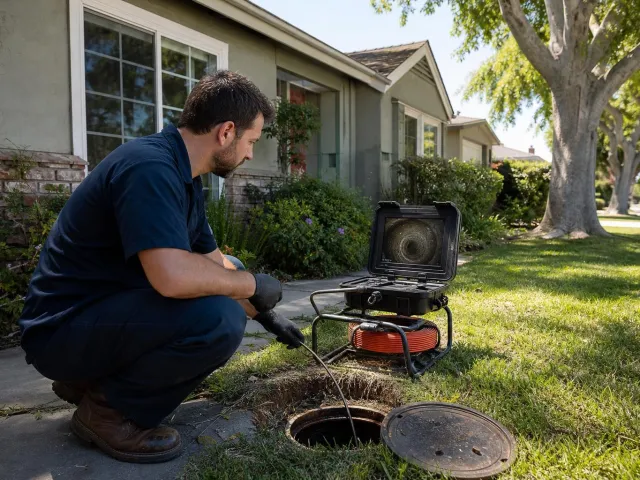
- Slow drains throughout the house: Not just one sink—possibly a venting or main sewer issue.
- Water stains or musty odors: Pay special attention to walls, ceilings, basements, and crawl spaces.
- Spike in water bills: Suggests water is escaping somewhere in your interconnected system.
Expert stat: According to the EPA, household leaks waste nearly 1 trillion gallons of water annually nationwide—fixing even minor leaks can save you money and prevent damage.
FAQ: Plumbing System Explained for Southern California Homes
How can I tell if my appliances share plumbing lines?
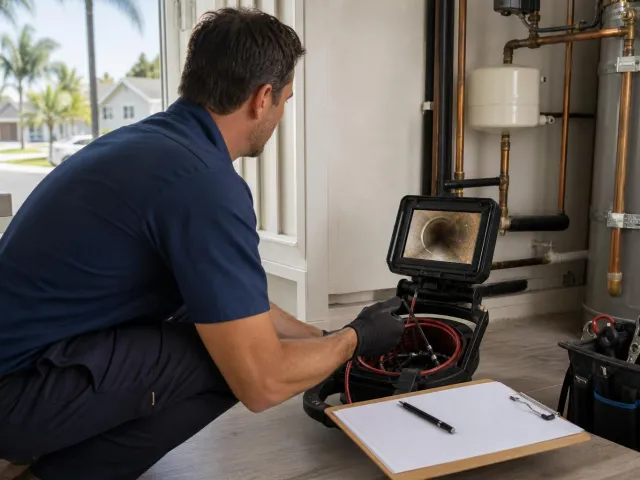
If using one appliance (like the washing machine) affects water flow elsewhere, those fixtures are likely on the same branch. You can also examine your home plumbing diagram or contact a professional for a detailed inspection.
Do outdoor plumbing lines need special care?
Yes! Southern California’s droughts and temperature swings can stress outdoor pipes. Insulate exposed lines, check for leaks, and schedule seasonal maintenance to avoid surprises.
Who should I call if I’m unsure about my plumbing connections?
A licensed local plumber, like A-1 Performance Rooter and Plumbing, can evaluate your system, share maintenance tips, and install water-saving solutions customized for your city’s regulations.
Conclusion: Protect Your Hidden Plumbing Connections
Many features in your home or business—inside and out—are deeply interlinked by your plumbing system. Being proactive about how home plumbing works can help you avoid disruptions and costly repairs, especially in Southern California where water conservation and pipe durability are major concerns.
Don’t wait until a mystery leak or clogged drain throws your day into chaos. Call A-1 Performance Rooter and Plumbing at 800-997-3090 today for a complete plumbing inspection or expert repair! Our local pros have you covered from Los Angeles to Huntington Beach and beyond.