Root Intrusion 101: Why SoCal Trees Are Breaking Your Sewer Line
Dealing with tree roots in your sewer line is a shockingly common—and disruptive—plumbing issue in Southern California. Local trees, searching for water during dry seasons, often target the moist environment of underground pipes. If you’ve started noticing slow drains, gurgling toilets, or unexplained wet patches in your yard, root intrusion could be the culprit lurking beneath your feet. In this blog, we’ll explain the root causes of root intrusion plumbing issues, how they’re connected to Southern California’s unique environment, and what you can do to stop roots from breaking your sewer line.
Why Tree Roots Target Your Sewer Line in Southern California
Root intrusion is especially problematic in regions like Los Angeles, Orange County, and Long Beach due to a combination of factors:
- Arid climate: With limited rainfall, thirsty trees naturally seek out sources of moisture—your sewer pipes provide exactly what their roots crave.
- Mature landscape: Many SoCal neighborhoods feature decades-old trees with robust root systems that extend far beyond their canopies.
- Aging sewer infrastructure: Clay and cast-iron pipes, common in older homes, are especially vulnerable to root infiltration due to small cracks and loose joints.
So, it’s no surprise that Southern California root damage sewer cases spike during droughts or after winters with minimal rain.
How to Spot Signs of Tree Roots in Your Sewer Line
Early detection is key in preventing extensive plumbing damage and costly repairs. Watch for these signs that root intrusion may be occurring:
- Frequent backups: Toilets or drains clog repeatedly, even after clearing with a plunger or store-bought remedies.
- Slow drainage: Sinks, showers, and tubs take far longer to drain than usual.
- Unpleasant odors: Persistent foul smells from drains could indicate trapped sewage due to blocked pipes.
- Wet or green patches: Lush spots in your yard, especially in drought-hit areas, may signal a sewage leak from root-damaged pipes.
According to plumbing industry studies, over 50% of sewer line blockages nationwide are attributed to root intrusion plumbing problems, with incidents higher in dry, mature neighborhoods typical of Southern California.
How Tree Roots Destroy Sewer Pipes
Tree roots easily exploit tiny gaps in aging pipe joints or cracks, growing inside the pipe and forming dense root balls that trap debris. Over time, this leads to severe blockages, pipe breakage, or even total collapse. Here’s a step-by-step look at what happens:
- Roots seek moisture and sense the humidity from small leaks or condensation in pipes.
- Hairlike root tips infiltrate small cracks or joints.
- Roots expand, widening cracks and eventually filling the pipe.
- Blocked flow leads to backups and pipe damage.
How to Stop Roots in Pipes and Protect Your Home
Preventing and solving tree root intrusion involves a mix of proactive maintenance and, when needed, professional intervention from rooter specialists like A-1 Performance Rooter and Plumbing. Here’s how homeowners and businesses in Southern California can protect their investments:
1. Regular Sewer Inspections
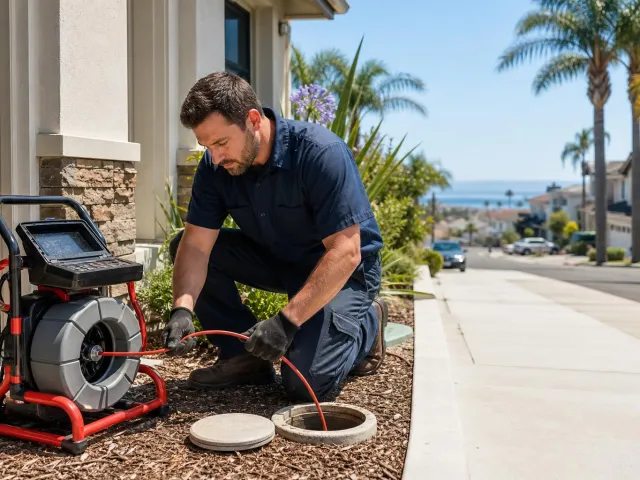
- Schedule annual or bi-annual camera inspections—early detection can prevent catastrophic breaks.
- Consider inspections after landscaping projects or when new trees are planted near sewer lines.
2. Mechanical Root Removal
- Rooter services can safely cut and clear roots using specialized augers and hydro-jetting equipment.
- Only a licensed professional should attempt this to avoid further pipe damage.
3. Chemical Root Treatments
- Chemical root control foams can kill intrusive roots without harming your tree when properly applied.
- It’s important to use products designed specifically for plumbing systems—ask your plumber for recommendations.
4. Pipe Replacement or Lining
- For severely damaged lines, trenchless pipe lining or full replacement may be needed to provide a root-proof barrier. Look for durable materials like PVC rather than clay or cast iron.
5. Strategic Landscaping
- Choose tree and shrub species less likely to target plumbing, and avoid planting large, thirsty trees near underground lines.
- Consult with a landscaping expert familiar with Southern California root damage sewer concerns.
Frequently Asked Questions About Root Intrusion Plumbing
How can I tell if tree roots are in my sewer line?
Common signs include slow drains, frequent backups, foul sewage odors, and unusually green patches in your yard. A professional camera inspection can confirm root intrusion.
Is it possible to permanently stop roots in pipes?
Advanced solutions like trenchless pipe lining or PVC replacement can eliminate future root intrusion. However, ongoing maintenance and inspections are always recommended for SoCal properties.
Does homeowner’s insurance cover root intrusion?
Coverage varies, but most policies exclude damage caused by tree roots. It’s best to address suspected problems early to avoid costly repairs.
Contact the SoCal Root Intrusion Experts!
Protect your home or business in Los Angeles, Orange County, Long Beach, and beyond from the risks of tree roots in sewer line. Don’t let hidden root intrusion plumbing issues escalate—call the trusted team at A-1 Performance Rooter and Plumbing to schedule a sewer camera inspection or emergency rooter service today.
Dial 800-997-3090 or click here to contact us online. Keep your property safe from Southern California root damage sewer problems with proven, local expertise!