If you live in Southern California—whether in Los Angeles, Orange County, Long Beach, or neighboring cities—you know earthquakes are more a "when" than an "if." While homeowners often remember to bolt down furniture or retrofit foundations, earthquake-ready plumbing is frequently overlooked. Unsecured pipes and poorly maintained systems can turn a minor shake into a costly plumbing disaster. In this blog, our experts at A-1 Performance Rooter and Plumbing explain why preparing your home or business’s plumbing for earthquakes matters and share how you can check if your system is truly seismic-safe.
Why Earthquake-Ready Plumbing is Essential in Southern California
Southern California is in one of the world’s most active seismic regions. According to the U.S. Geological Survey, the region has a 60% chance of a major earthquake in the next 30 years. Beyond property damage, ruptured plumbing lines can result in severe water leaks, gas hazards, and even toxic backflows. Here’s why earthquake plumbing inspection is critical for every Los Angeles and Orange County property:
- Prevents Costly Water Damage: Broken pipes can flood homes, leading to expensive repairs.
- Reduces Health Hazards: Sewage line ruptures can lead to contamination and mold growth.
- Protects Gas Lines: Many Southern California homes have gas water heaters or gas lines. Earthquakes can displace or rupture them, risking fires or gas leaks.
- Keeps Businesses Running: Commercial properties depend on uninterrupted water and waste systems. Unprepared plumbing can halt business operations post-quake.
Identifying Seismic Vulnerabilities in Your Plumbing System
Not sure if your plumbing is earthquake-ready? Begin with a basic check of these common weak points:
- Water Heater Bracing: Is your water heater double-strapped to the wall with earthquake-resistant kits? An unbraced water heater is one of the most common causes of post-quake flooding—and is required by California code.
- Flexible Supply Lines: Are your water and gas supply lines made of flexible materials, or do you still have rigid pipes that can snap?
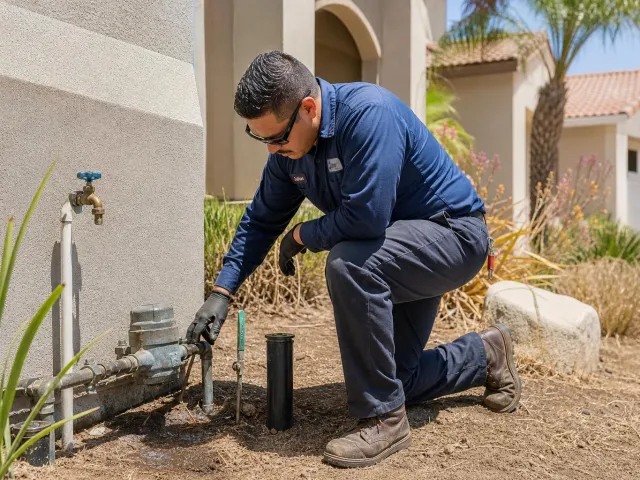
- Main Shut-Off Valve Location: Do you know where your water and gas shut-off valves are? Can you access and operate them quickly if needed?
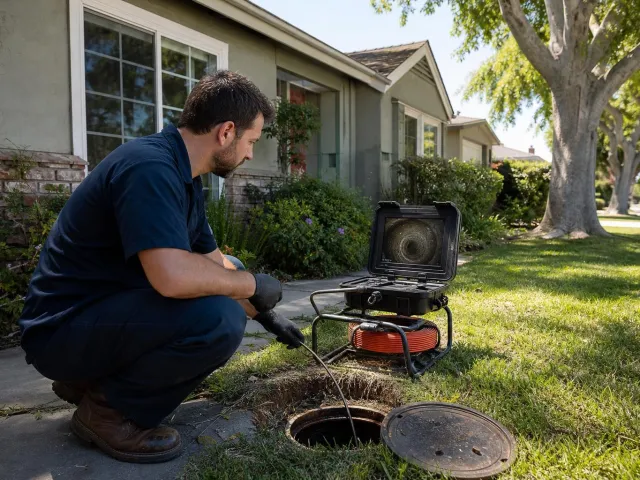
- Sewer Line Stability: Has your home been checked for cracks, dislocations, or tree-root invasion that could worsen after seismic activity?
How to Perform a Plumbing Earthquake Inspection
Whether you’re a handy homeowner or prefer calling in the pros, these steps will help make your plumbing earthquake-ready:
- Inspect Water Heater Bracing
- Make sure your water heater is properly double-strapped—top and bottom—to studs in the wall. Replace old strap kits if they are loose or corroded.
- Check All Supply Lines
- Review both water and gas supply lines. Flexible connectors can absorb movements and prevent breaks. If you see rigid copper or steel piping, it’s time to upgrade.
- Test Your Shut-Off Valves
- Know the locations and regularly test these valves to ensure they turn smoothly. Keep a wrench nearby for gas shut-off valves at all times.
- Get a Sewer Line Inspection
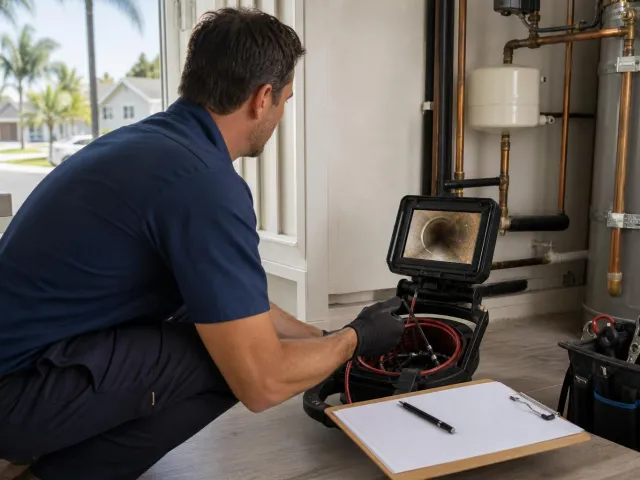
- Schedule a camera inspection with a professional plumber like A-1 Performance Rooter and Plumbing to detect any hidden vulnerabilities below the surface.
Plumbing Upgrades for Maximum Seismic Safety
If your inspection uncovers potential issues, consider these upgrades to bolster your home or business:
- Install Earthquake Shut-Off Valves: California code now requires some new builds to have automatic gas shut-off valves, but older homes and businesses can easily retrofit these devices for added peace of mind.
- Reinforce Pipe Supports: Secure pipes with seismic-resistant brackets and insulated fasteners, especially where they pass through walls or ceilings.
- Switch to Flexible Piping: Modern PEX or flexible gas lines handle seismic motion far better than older, rigid options.
- Routine Plumbing Maintenance: Regular checks prevent small cracks or leaks from becoming major issues after a quake.
Earthquake-Ready Plumbing: Essential for Los Angeles & Orange County
Earthquakes won’t wait for you to be ready. Preparing now—and ensuring your property benefits from a professional earthquake plumbing inspection—can mean the difference between minor inconvenience and major disaster.
FAQ: Earthquake-Ready Plumbing in Southern California
- How often should I check my plumbing for earthquake readiness?
- We recommend a professional inspection every 2–3 years, or annually if your property is older than 30 years.
- Are earthquake shut-off valves mandatory in California?
- They are required on new gas line installations in many California cities—check your local Los Angeles or Orange County codes for details.
- Can I earthquake-proof plumbing myself?
- Homeowners can handle some basics (like water heater strapping), but comprehensive checks and upgrades should be left to licensed pros like A-1 Performance Rooter and Plumbing.
Don’t wait for the next big one to discover hidden problems in your plumbing system. Seismic safety is an investment in your family, your property, and your peace of mind.
Get Earthquake-Ready With A-1 Performance Rooter and Plumbing
Earthquake-ready plumbing is more than a checklist—it’s essential protection for your home or business in Southern California. Let our experienced team help you prepare with professional inspections, upgrades, and 24/7 emergency service. Contact A-1 Performance Rooter and Plumbing today for your seismic plumbing inspection in Los Angeles, Orange County, Long Beach, and beyond—and enjoy confidence no matter what shakes your way!